
 By Tony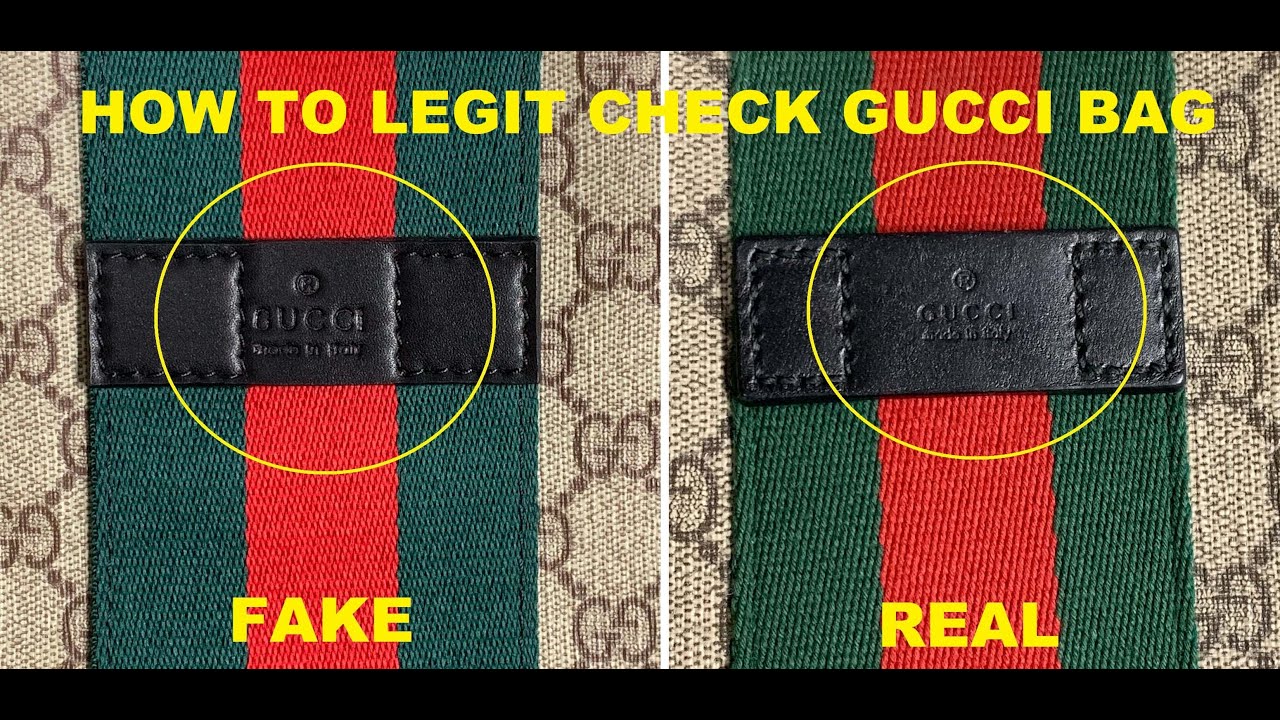
In recent years, the market for Gucci fake bags has witnessed significant growth, driven by a combination of high consumer demand for luxury goods and the accessibility of counterfeit products. Gucci, as one of the world’s most iconic fashion brands, is frequently targeted by counterfeiters who replicate its popular designs to capitalize on its prestige. Understanding common styles and current market trends in Gucci fake bags provides insight into both consumer behavior and the evolving landscape of counterfeit luxury items.
One of the most commonly replicated styles in the realm of Gucci fake bags is the GG Marmont series. Characterized by its distinctive chevron quilted leather and double G logo hardware, this line has become synonymous with modern luxury and elegance. Its popularity makes it an attractive target for counterfeiters who produce replicas that often closely mimic original details such as stitching patterns, hardware design, and material texture. The classic Dionysus bag also ranks highly among fakes due to its unique tiger head closure and structured silhouette, which appeal to consumers seeking statement pieces without paying exorbitant prices.
Another frequently counterfeited style includes the Gucci Soho Disco bag-known for its compact size and embossed interlocking G logo-which remains a favorite among younger buyers who desire trendy yet affordable options. Additionally, vintage-inspired models like the Jackie 1961 have seen increased replication efforts because they blend nostalgic charm with contemporary appeal.
Market trends indicate that advancements in manufacturing technology have significantly improved the quality of counterfeit Gucci Fake Bags. High-grade synthetic materials now better simulate authentic leather textures, while precision machinery allows for more accurate reproduction of logos and metal accents. This progress challenges consumers’ ability to distinguish between genuine products and fakes without expert knowledge or close inspection.
Digital marketplaces play a crucial role in shaping these trends as well. Online platforms facilitate easy access to replica bags from various sellers worldwide, often accompanied by detailed photographs showcasing their craftsmanship. Social media influencers sometimes inadvertently contribute to demand by featuring counterfeit items or promoting affordable alternatives under ambiguous terms.
Despite growing sophistication in fakes production, there remains a strong emphasis on price differentiation within this market segment. Genuine Gucci handbags command premium prices due to brand heritage, quality assurance, and exclusivity; meanwhile, fake versions are sold at fractions of those costs but lack warranty or after-sales support.
Overall, understanding common styles like GG Marmont or Dionysus helps identify prevalent targets within Gucci’s counterfeiting sphere while recognizing technological improvements offers perspective on why fake bags continue flourishing despite ongoing legal crackdowns. Consumers interested in purchasing authentic designer goods should remain vigilant about verifying authenticity through authorized retailers or trusted authentication services amidst an increasingly complex marketplace influenced heavily by digital commerce dynamics.