
 By Tony
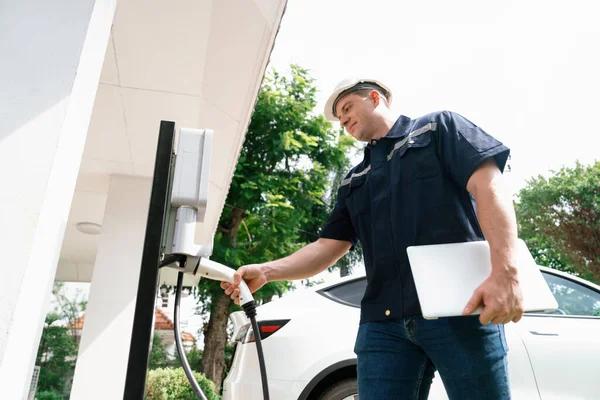
As electric vehicles (EVs) continue to gain popularity, the demand for reliable and efficient EV charger installations has surged. Both residential and commercial spaces require tailored solutions to accommodate the growing number of EV owners. Understanding the options available for EV charger installation in these settings can help consumers and businesses make informed decisions that meet their specific needs.
Residential EV charger installations primarily focus on convenience and compatibility with home electrical systems. Homeowners typically choose between Level 1 and Level 2 chargers. Level 1 chargers use a standard 120-volt outlet and are the most basic option, providing a slow https://z-electricco.com/ charging rate that is suitable for overnight use or occasional driving. However, for faster charging, Level 2 chargers, which require a 240-volt outlet, are more popular. These chargers can fully recharge an EV in just a few hours, making them ideal for daily commuters.
EV Charger Installation Colorado Springs
When installing a residential EV charger, factors such as the electrical panel capacity, location of the charger, and safety requirements must be considered. It is essential to hire a certified electrician to assess the home’s electrical system and ensure that it can handle the additional load. Many homeowners also prefer chargers with smart features, such as Wi-Fi connectivity, to monitor charging sessions and optimize electricity usage.
Commercial EV charger installations are designed to accommodate a higher volume of vehicles and often require more robust infrastructure. Businesses, shopping centers, and public parking facilities benefit from installing multiple Level 2 chargers or even DC fast chargers, which provide rapid charging within 30 minutes or less. These fast chargers are especially beneficial in locations where drivers need to quickly recharge and continue their journeys.
Commercial installations must also consider user accessibility, payment systems, and integration with existing property management systems. Many businesses opt for chargers equipped with network connectivity, allowing for remote monitoring, usage analytics, and customer billing. The installation process often involves upgrading electrical infrastructure to support the increased power demand and ensuring compliance with local regulations and safety standards.
Both residential and commercial EV charger installations contribute significantly to the adoption of electric vehicles by providing convenient and reliable charging options. Whether it’s a single Level 2 charger in a home garage or a multi-unit charging station at a commercial complex, selecting the right installation depends on usage patterns, budget, and future scalability. As technology advances, the availability of smart chargers and integration with renewable energy sources will further enhance the benefits of EV ownership.
In summary, the options for EV charger installation vary greatly between residential and commercial settings. Homeowners focus on convenience and compatibility with their existing electrical systems, while commercial entities prioritize capacity, speed, and user management. By carefully assessing their needs and consulting with qualified professionals, both residential and commercial users can enjoy the full advantages of electric vehicle charging infrastructure.
Z-Electric LLC
Colorado Springs, CO 80925
719-663-8783