
 By Tony
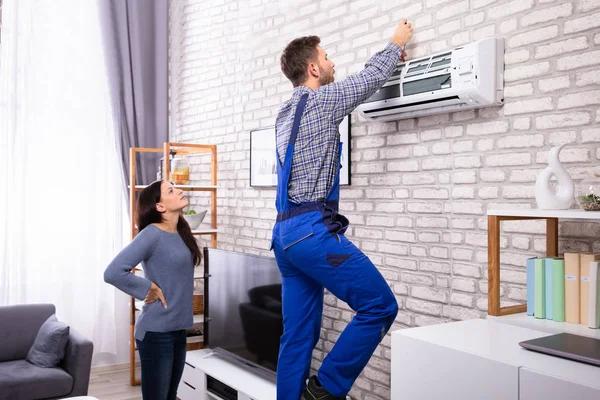
Identifying electrical issues in air conditioning systems is critical for ensuring the efficient operation and longevity of these essential household and commercial appliances. Electrical problems can manifest in various ways, including the air conditioner failing to start, frequent tripping of circuit breakers, or inconsistent cooling performance. Understanding the common electrical faults and how to detect them can save time, reduce repair costs, and prevent further damage to the system.
One of the primary electrical components in an air conditioning system is the capacitor. Capacitors help start the compressor and the fan motors by providing the necessary initial boost. A faulty capacitor often results in the air conditioner not turning on or running erratically. Signs of a bad capacitor include a humming noise from the outdoor unit without the compressor or fan starting, or the system starting and stopping frequently. Using a multimeter to test the capacitor’s microfarad rating against the manufacturer’s specifications is a common method to confirm its condition.
Another frequent source of electrical issues is the contactor, which controls the flow of electricity to the compressor and condenser fan motor. Over time, the contactor can become worn or pitted, leading to poor electrical connections. This can cause the air conditioner to malfunction or fail to start. Visual inspection of the contactor for signs of burning or pitting, along with testing its continuity, helps identify this problem.
Wiring problems such as loose connections, frayed wires, or corrosion are additional electrical issues that can disrupt air conditioning performance. These issues can request details cause intermittent operation or complete failure of the system. Regular inspection and tightening of electrical connections, as well as replacing damaged wires, are essential maintenance tasks.
The thermostat also plays a crucial role in electrical control. A malfunctioning thermostat can send incorrect signals, causing the air conditioner to run improperly or not at all. Testing the thermostat’s electrical contacts and calibration ensures it functions correctly.
To safely identify and diagnose electrical issues in air conditioning systems, it is recommended to use appropriate tools like a multimeter, voltage tester, and clamp meter. However, because of the risks associated with electrical components, professional HVAC technicians are often the best choice for thorough and safe diagnosis and repair.
In conclusion, identifying electrical issues in air conditioning systems involves careful inspection and testing of key components such as capacitors, contactors, wiring, and thermostats. Prompt detection and repair can prevent further damage, maintain cooling efficiency, and extend the lifespan of the air conditioning system. For those experiencing electrical problems with their air conditioners, consulting a qualified technician ensures accurate diagnosis and safe resolution of the issues.