
 By Tony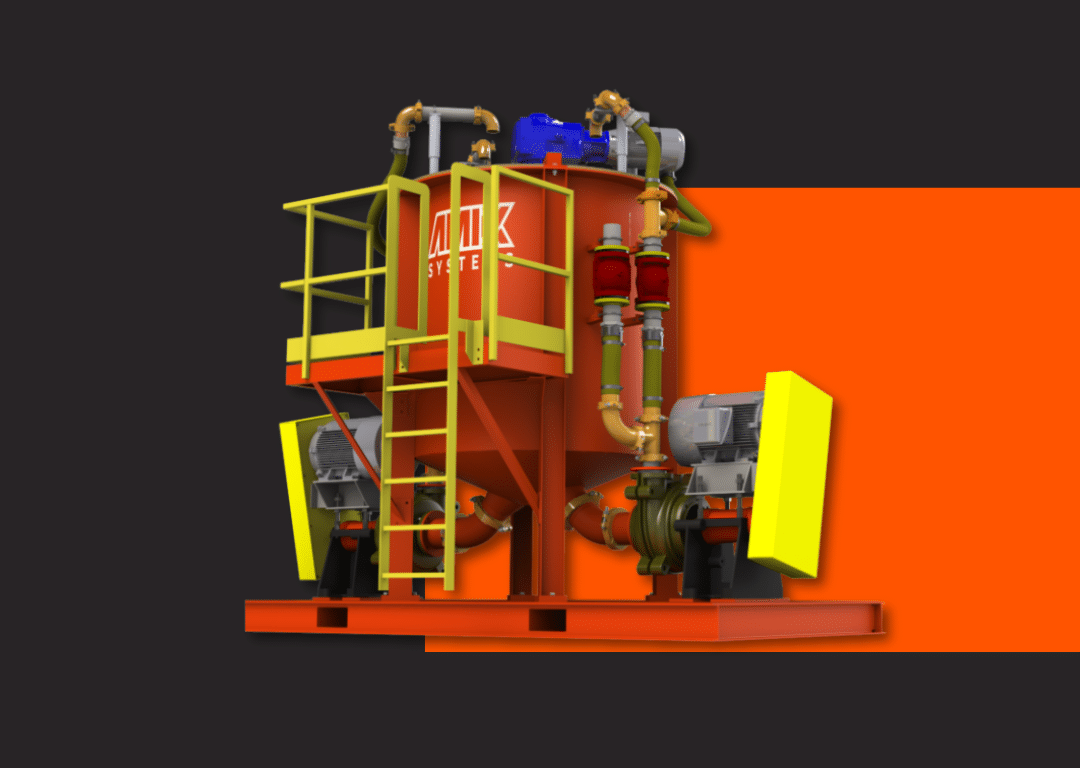
Cement grouting is a crucial technique employed in construction and civil engineering to enhance the strength and stability of foundations. This method involves injecting a cementitious slurry into soil or rock formations beneath structures, filling voids, cracks, and pores to improve load-bearing capacity and reduce settlement risks. The effectiveness of cement grouting lies in its ability to increase the density and cohesion of the ground materials, thereby providing a more stable base for buildings, bridges, dams, and other infrastructure projects.
There are several types of cement grouting techniques commonly used depending on the specific requirements of the project and ground conditions. Permeation grouting is one such method where low-viscosity grout is injected under pressure into porous soils without disturbing their natural structure significantly. This technique is ideal for filling fine sands or silts as it penetrates small voids effectively. Another widely used approach is compaction grouting, which involves pumping a stiff grout mixture into loose soil layers to compact them physically by displacing weaker materials. This process enhances soil density and reduces compressibility.
Jet grouting represents an advanced form of cement injection that combines high-pressure water jets with grout injection to break up existing soil structures before mixing them with cement slurry in situ. This creates solidified columns or panels within weak soils that act as deep foundation elements capable of carrying substantial loads. Jet grouting is particularly valuable when dealing with heterogeneous ground conditions or when underpinning existing foundations in confined spaces.
The preparation phase before applying any cement grouting technique includes thorough site investigation through boreholes, geotechnical testing, and sometimes geophysical surveys to understand subsurface characteristics accurately. Proper design parameters such as grout mix composition-typically a blend of Portland cement, water, additives like bentonite or fly ash-and injection pressures must be carefully selected based on these investigations.
During execution, specialized equipment such as grout pumps connected to injection pipes ensures controlled delivery at desired depths while monitoring systems track pressure changes indicating successful penetration or potential blowouts. Quality control measures include sampling cured grout for strength tests and post-grout inspections using technologies like ultrasonic pulse velocity tests or borehole cameras.
Overall, adopting appropriate cement grouting techniques significantly contributes to constructing durable foundations capable of resisting differential settlements and lateral movements caused by environmental factors like earthquakes or groundwater fluctuations. The versatility offered by various methods allows engineers to tailor solutions suited for diverse geological settings ensuring long-term structural integrity while optimizing costs compared to alternative ground improvement strategies.
In summary, understanding different types of cement grouting along with careful planning and execution plays an essential role in foundation engineering today. As urban development expands into challenging terrains requiring reliable support systems beneath critical infrastructures; mastering these techniques remains indispensable for achieving strong stable foundations that safeguard investments against future uncertainties inherent in subsurface conditions.