
 By Tony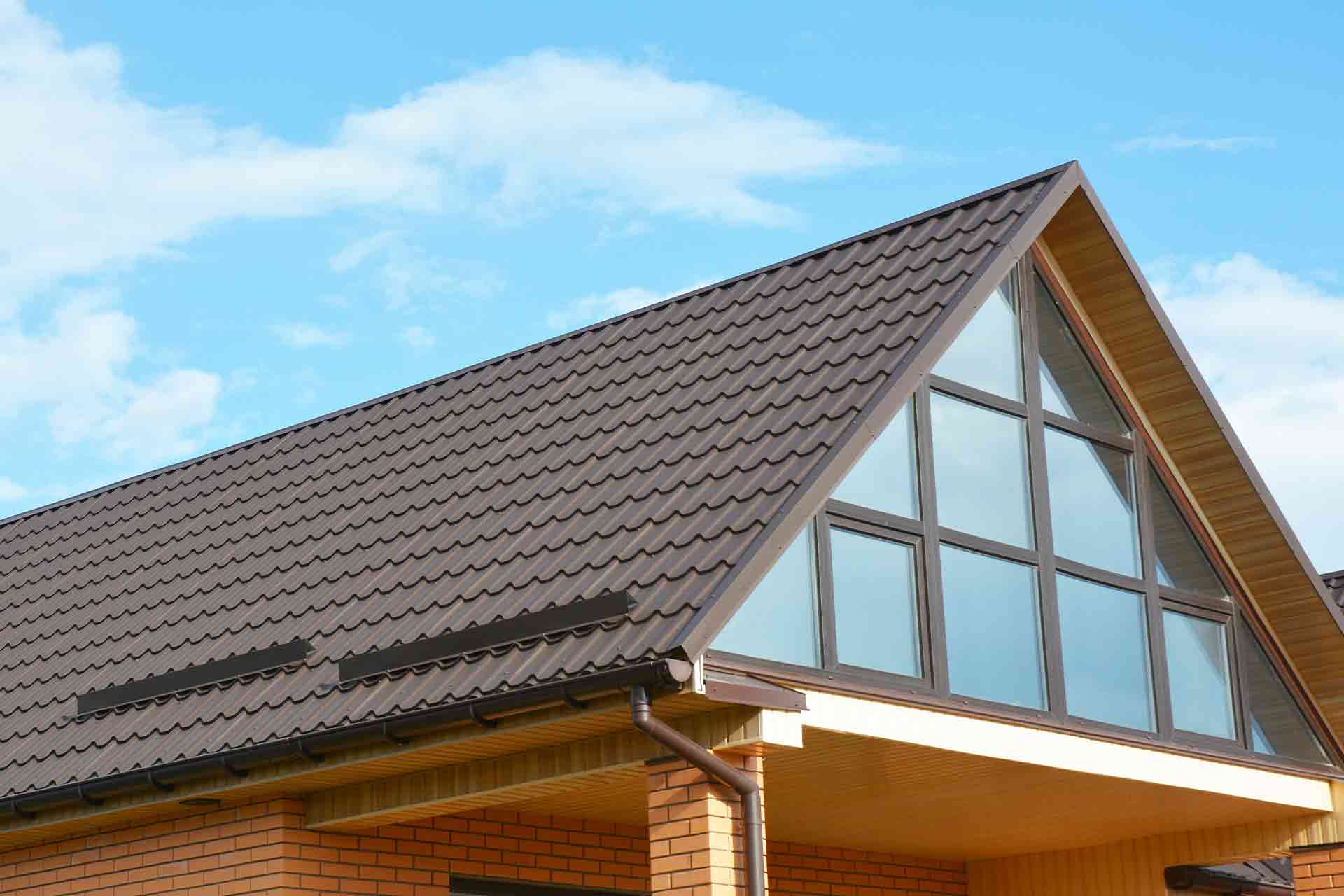
When considering an extension to your home, one of the key decisions you will face is whether to opt for a flat roof or a pitched roof. Both options have their unique advantages and challenges, and understanding these can help you make an informed choice that suits your needs, budget, and aesthetic preferences.
A flat roof extension is characterized by its horizontal or nearly horizontal surface. One of the main benefits of choosing a flat roof is its modern appearance, which can complement contemporary architectural styles. Flat roofs are generally quicker and less expensive to construct compared to pitched roofs because they require fewer materials and simpler structural support. This makes them an attractive option if you are working within a tight budget or timeline.
Additionally, flat roofs provide extra usable space on top of the extension. This area can be transformed into a rooftop garden, terrace, or solar panel installation site-features that add value and functionality to your property. Maintenance access is also easier with flat roofs since walking on the surface poses less risk than navigating sloped areas.
However, it’s important to consider potential drawbacks associated with flat roofs. They tend to have poorer drainage compared to pitched roofs due to their minimal slope, which increases the likelihood of water pooling and leaks if not properly installed or maintained. High-quality waterproofing membranes are essential in ensuring longevity. Moreover, in regions with heavy snowfall or rainfall, flat roofs may require more frequent inspections and upkeep.
On the other hand, pitched roof extensions feature sloping surfaces that allow for efficient water runoff. This design reduces the risk of leaks significantly and typically offers better durability over time in various weather conditions. Pitched roofs also provide additional interior space through vaulted ceilings or loft conversions-ideal if you want your extension’s interior to feel spacious and airy.
From an aesthetic standpoint, pitched roofs often blend seamlessly with traditional homes that already have angled roofing structures; this helps maintain architectural harmony across your property’s exterior appearance.
Nevertheless, pitched roof extensions usually involve higher construction costs due to increased material requirements such as timber framing and tiles or slates for covering. The construction process tends to be more complex as well because precise angles must be achieved during installation.
In making your decision between a flat roof vs pitched roof extension, consider factors like budget constraints, desired style compatibility with existing structures, climate conditions where you live (which affect drainage needs), potential uses for rooftop space versus internal volume expansion-and maintenance willingness over time.
Consulting with experienced architects or builders can offer valuable insights tailored specifically toward your project goals while ensuring compliance with local building regulations.
Ultimately choosing between these two roofing styles depends on balancing practical considerations against personal preferences so that your home extension not only serves functional purposes but also enhances overall living comfort and property value effectively.