
 By Tony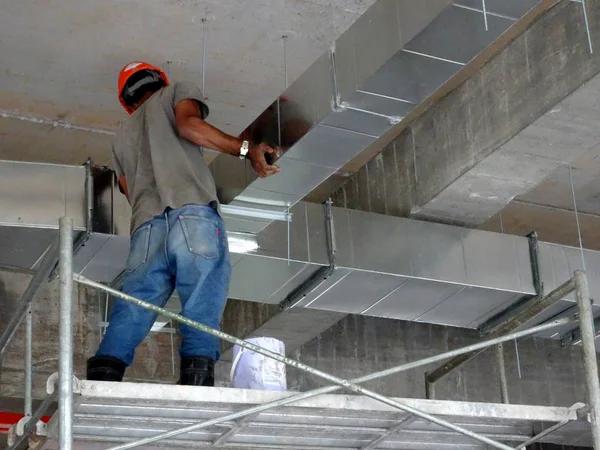
As the winter months approach, ensuring your home remains warm and comfortable is a top priority. A well-maintained HVAC system plays a crucial role in achieving this goal efficiently. Here are some essential tips to prepare your HVAC system for the cold season, ensuring optimal performance and energy efficiency.
Firstly, scheduling a professional inspection and maintenance service is vital. An experienced technician can identify any potential issues that could impede your system’s performance during peak usage times. This includes checking the thermostat settings, inspecting electrical connections, lubricating moving parts, and assessing overall system operation. Regular maintenance not only enhances efficiency but also extends the lifespan of your equipment.
Next, replacing or cleaning air filters is an often-overlooked task that significantly impacts your HVAC system’s efficiency. Clogged or dirty filters restrict airflow, forcing the system to work harder to heat your home. dive into it‘s recommended to check filters monthly during heavy use periods and replace them every three months or as needed to maintain proper airflow and indoor air quality.
Sealing leaks in ductwork is another critical step in optimizing heating efficiency. Leaky ducts can lead to significant heat loss, causing uneven heating throughout your home and increasing energy costs. Inspect visible ductwork for gaps or disconnections and seal them using mastic sealant or metal tape—not duct tape—as it tends to degrade over time.
Thermostat management also plays a crucial role in maintaining comfort while conserving energy. Consider upgrading to a programmable thermostat if you haven’t already done so; it allows you to set specific temperatures for different times of day based on occupancy patterns. Lowering the temperature slightly when you’re asleep or away from home can result in substantial savings without sacrificing comfort.
Additionally, ensure all vents are open and unobstructed by furniture or drapes so that heated air circulates freely throughout each room. Closed vents increase pressure within the ductwork which may cause leaks over time while obstructed vents prevent effective distribution of warm air leading potentially cold spots within living spaces.