
 By Tony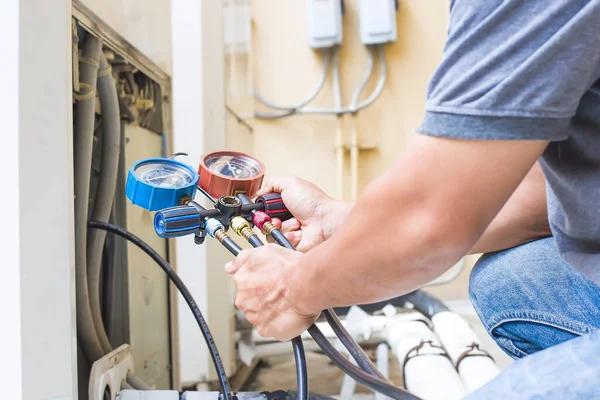
When an air conditioning system fails to cool effectively, two common culprits often come into focus: airflow issues and refrigerant undercharge. Understanding the differences between these problems is crucial for diagnosing why your AC isn’t performing as expected. Both conditions impact efficiency and comfort but stem from distinct causes that require different solutions.
Airflow problems occur when the movement of air through the system is restricted or insufficient. This can be due to clogged filters, blocked vents, dirty coils, or malfunctioning fans. When airflow is compromised, warm air cannot circulate properly over the evaporator coil inside the indoor unit. As a result, heat exchange becomes less efficient and cooling capacity drops significantly. Reduced airflow also causes explore the possibilities further evaporator coil to freeze up because it doesn’t receive enough warm air to prevent condensation from freezing on its surface. This further limits cooling performance and can lead to system damage if left unaddressed.
On the other hand, refrigerant undercharge refers to having less refrigerant in the system than required for optimal operation. Refrigerant is responsible for absorbing heat from indoor air and releasing it outside during the cooling cycle. When there isn’t enough refrigerant due to leaks or improper charging during installation or maintenance, pressure levels drop within the system’s refrigeration circuit. Low refrigerant pressure means reduced heat absorption at the evaporator coil and diminished heat rejection at the condenser coil outdoors. Consequently, your AC struggles to maintain desired temperatures despite running continuously.
While both issues reduce cooling efficiency, they manifest differently during troubleshooting. Airflow restrictions typically cause uneven room temperatures with some areas feeling warmer than others because conditioned air does not reach every part of a space evenly. You may also notice increased energy bills as your AC works harder to compensate for poor circulation without delivering adequate cooling output.
Refrigerant undercharge usually results in longer run times and inadequate temperature drops even when airflow seems normal throughout your home or office environment. A professional technician will use specialized gauges and tools like manifold gauges or electronic leak detectors to measure refrigerant levels accurately before recommending repairs such as leak sealing or recharging.
Identifying whether poor performance stems from airflow limitations or low refrigerant involves careful inspection of components including filters, ducts, coils alongside pressure readings within refrigeration lines. Addressing airflow concerns might simply involve cleaning filters and clearing obstructions while fixing a refrigerant issue demands locating leaks followed by proper evacuation and recharge procedures performed by certified HVAC technicians.
In summary, understanding how airflow issues differ from refrigerant undercharge helps pinpoint why an AC unit isn’t performing correctly so appropriate corrective measures restore comfort efficiently without unnecessary expense or delay in service calls that could otherwise worsen underlying problems over time.